Furnace Out? How to Keep Kids Warm and Safe Overnight
When the furnace dies on a cold night and you are the only adult in the house, shrink the problem to one room. Pick the smallest room everyone can sleep in, close it off, and move the children and yourself into it before bedtime. Warm the people, not the house: layers and sleep sacks for the kids, a space heater only while you are awake in the room, never the oven or stove, and a working carbon monoxide alarm near where you all sleep. Babies get more clothing, never more bedding. Then decide, before dark, what would make you leave.
Repairs belong to a technician (and, if you rent, your landlord); your child’s health belongs to your pediatrician or 911. This page is the night itself. Every source linked here was loaded and read on September 23, 2026.
The first hour: triage, one adult
- Check the carbon monoxide alarm before anything else. The U.S. Fire Administration’s carbon monoxide page says CO poisoning “can occur when a fuel-burning appliance or machine, such as a furnace, heater or generator, is not working or vented properly.” A furnace that has just stopped working is exactly when you want that alarm live.
- Book the repair while the kids are still up, so you are not on hold with a baby on your shoulder.
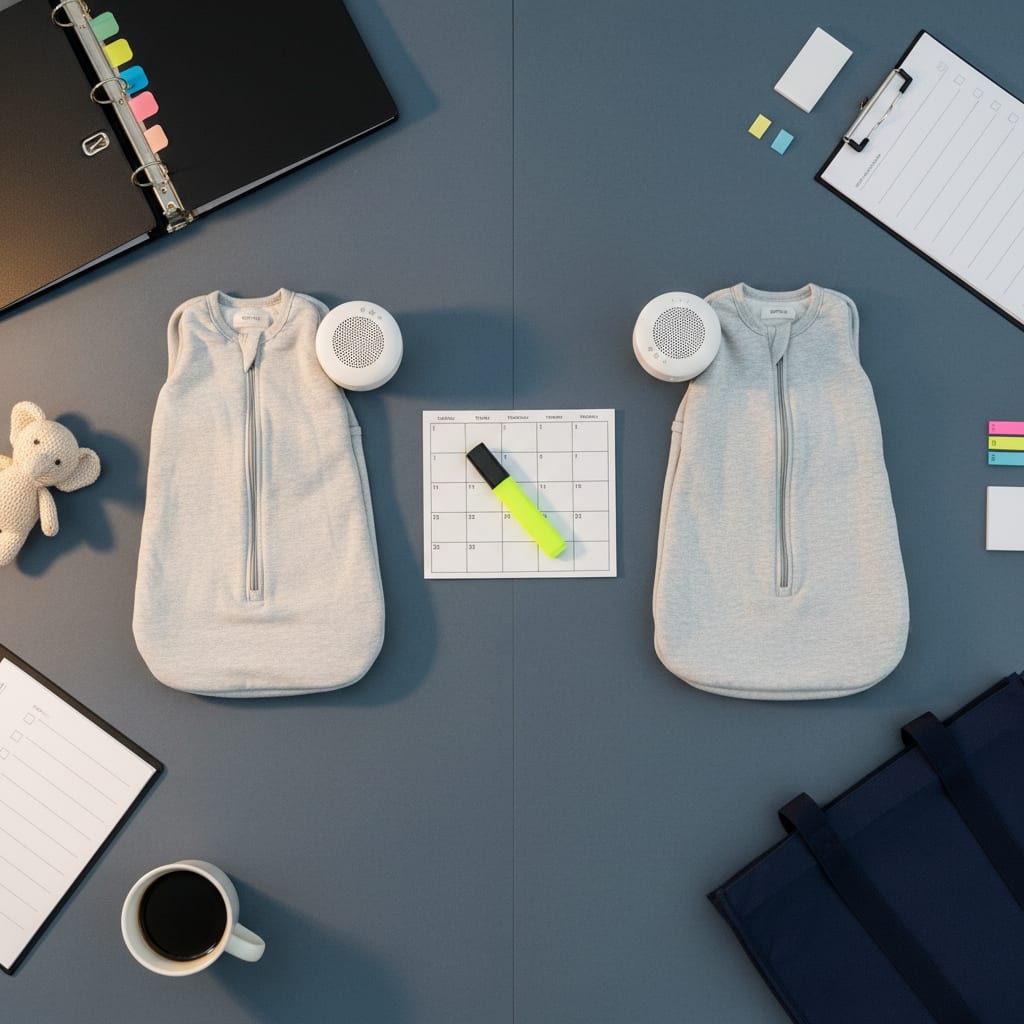
- Choose the warm room and move the bedtime gear in: crib or play yard, sleep sacks, white noise.
- Charge your phone and find a flashlight. The Red Cross winter storm guidance says to “avoid using candles because of the fire risk” and to use battery-powered lights instead.
Choosing the warm room
Pick a small room with the fewest outside walls and windows that fits everyone’s sleeping spot. A bedroom usually beats a living room, because it has a door.
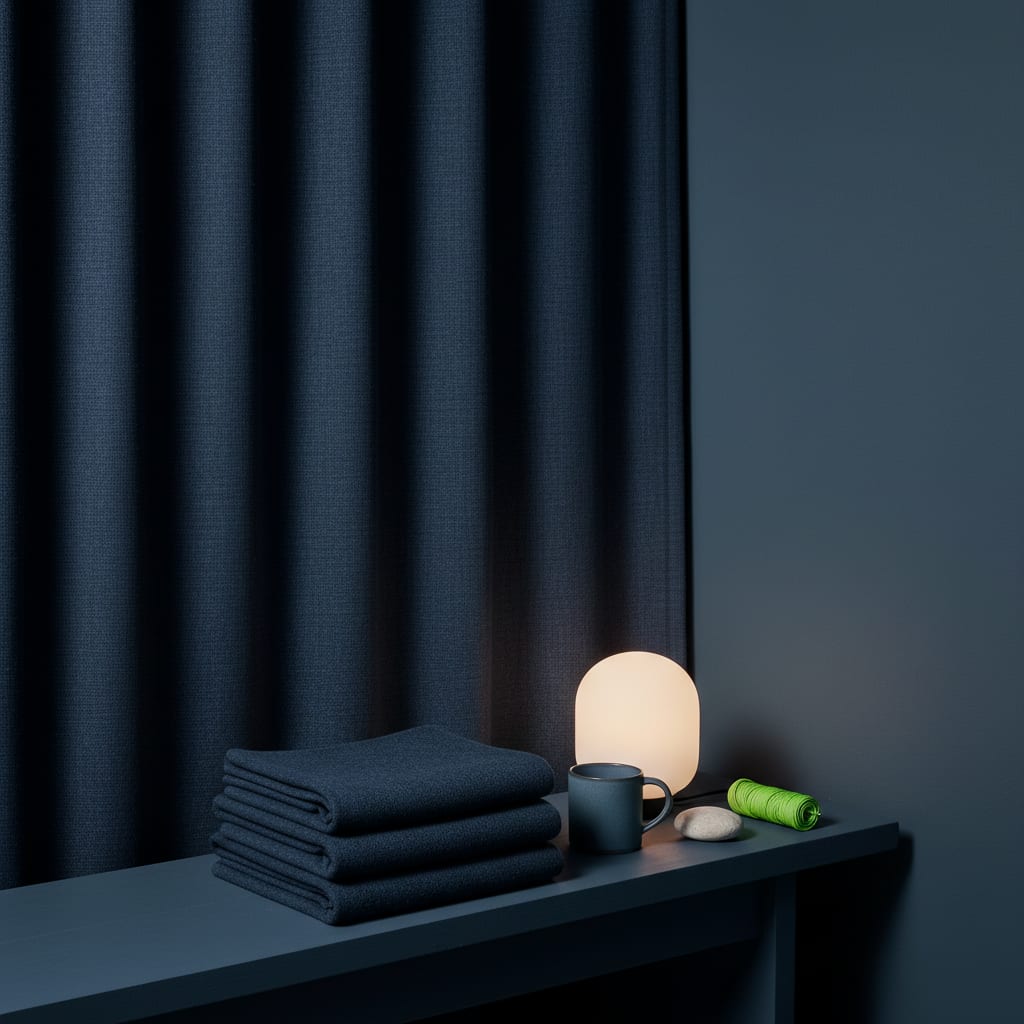
- Close the door, roll a towel against the gap, and draw the curtains at dusk.
- Put everyone in it. One room to monitor instead of three. For one child waking another, the staggered-bedtime tactics in bedtime after a fire or flood transfer straight over.
- Put a thermometer in the room — a digital room thermometer like the TempPro TP50 is enough. The Red Cross suggests “an indoor thermometer or thermostat to monitor the temperature inside.” Guessing at 2am is how people overheat a baby or talk themselves into the oven.
What you never heat with
- Never the oven or stove. The USFA’s heating fire safety page says “never use an oven to heat your home,” and the EPA’s carbon monoxide guidance says not to use a gas oven for heat “even for a short time.”
- Never a generator, grill or camp stove indoors. The Red Cross power outage page says to keep them “outdoors only in well-ventilated areas at least 20 feet away from windows.”
- Never sleep with an unvented gas or kerosene heater running. The EPA puts it bluntly: “DON’T sleep in any room with an unvented gas or kerosene space heater.”
- An electric space heater only while you are awake in the room. The USFA says to keep “anything that can burn at least 3 feet from all heat sources” and to “turn space heaters off when leaving the room or going to bed.” Portable heaters were “only 3% of all home heating fires” in 2017-2019, but “accounted for 41% of fatal heating fires in homes.” Take the chill off before bed, then switch it off and let the layers carry the night.
Carbon monoxide: you are the only one who will hear it
There is no second adult to wake up, so the alarm has to be where it will wake you.
- Placement. The USFA says to install CO alarms “in a central location outside each separate sleeping area and on every level of your home.” The AAP’s advice on staying warm when the power goes out says that if you have only one, “install it close to bedroom areas,” and that it should be battery-powered or have a battery back-up and meet UL Standard 2034.
- A worked example. A plug-in alarm with battery backup, like the First Alert CO605, keeps working if the power goes too. Check the box for the UL 2034 listing.
- Know the symptoms. The AAP lists “headaches, nausea, chest pain and a general feeling of discomfort,” which can “mimic food poisoning or a viral illness like the flu,” and says to watch “especially if multiple members of your household experience them.” If you are worried, or the alarm sounds, “move everyone to fresh air immediately.” Solo, that means everyone out at once, so keep shoes and coats by the warm-room door.
A baby in a cold room: clothing, not bedding
Safe to Sleep says to “keep comforters, quilts, pillows, and blankets out of baby’s sleep area” and to “dress baby in a wearable blanket or an extra layer of clothing to keep them warm without adding items to the sleep area.”
The AAP’s cold weather page gives the working rule for older babies and young children: dress them “in one more layer of clothing than an adult would wear in the same conditions.”
Overheating is the other half of the risk. Safe to Sleep warns that babies can get too hot from “too many layers of clothes and bedding for the room temperature,” says to take off hats indoors, and lists the signs: “sweating, flushing/red or hot skin, or baby’s chest feeling hot to the touch.” Betteroo’s layering and TOG guide is a practical way to match a sleep sack to the number on the thermometer.
The bed-sharing temptation. At 2am, cold and alone, pulling the baby into your bed feels like the warm, sensible thing. Safe to Sleep names a “very tired” adult as a very-high-risk bed-sharing situation, and says “couches and armchairs are never safe places for babies to sleep.” A solo parent on a no-heat night is that tired adult. The better move is the one Safe to Sleep already recommends: the baby’s own crib or play yard, in your room, near your bed. The warm room makes that easy. For the rest of the one-adult newborn playbook, see bringing a newborn home alone.
Older kids can have blankets, and for a toddler somewhere in between, Betteroo walks through when a blanket becomes a safe addition.
Decide the leaving point before dark
The AAP says extra layers “may help if there’s a short-term outage,” but you may need “alternate shelter such as a warming center.” The Red Cross also names a friend’s house or a public library.
Solo, you do not want to make the leaving call at 2am with children half-asleep. Decide at dinner what reading on the thermometer, or how long without a repair date, sends everyone out tonight. Pack a bag and put the keys by the door.
And know the emergency line. The AAP’s winter safety page describes hypothermia as shivering, then becoming “sluggish, clumsy” or slurring words, and says to “call 911 right away.”
Paying for the repair
- LIHEAP. USA.gov says the Low Income Home Energy Assistance Program can help pay heating bills “or get emergency services during an energy crisis,” that eligibility is income-based, and that “every state and territory has its own requirements.”
- 211. 211.org routes calls to local help, including utilities expenses, and says “every call is completely confidential.”
- If you rent, tell your landlord in writing tonight. How fast they must act depends on your state and city, and 211 or local legal aid can tell you.
A furnace is exactly the shock the first tier of a realistic emergency fund is for.

FAQ
Is it safe to leave a space heater on overnight in my child’s room? No. The U.S. Fire Administration says to turn space heaters off when leaving the room or going to bed. Warm the room while you are in it, then turn the heater off.
Can my baby sleep in my bed to stay warm? Safe to Sleep advises against it, especially when the adult is very tired. Put the crib or play yard next to your bed in the warm room and add a layer of clothing or a wearable blanket instead.
How cold is too cold for my child? There is no safe number to give on a blog. Watch your child, not the clock, and call your pediatrician if you are unsure. Call 911 for the hypothermia signs above.